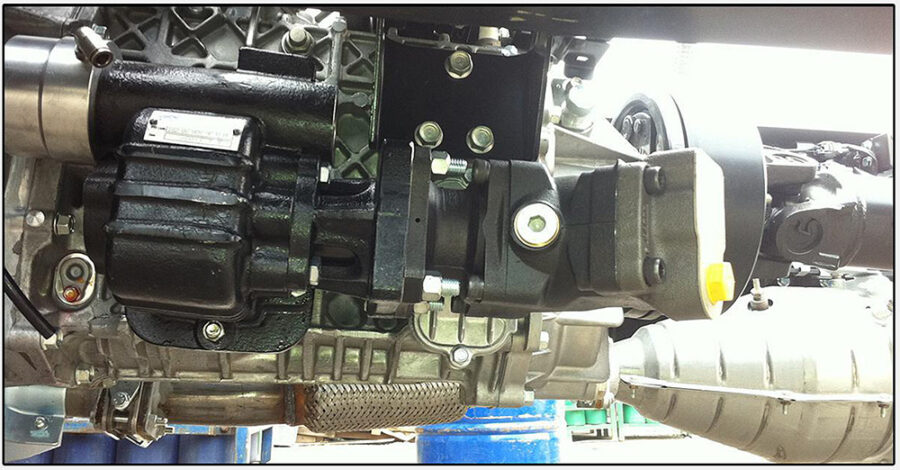
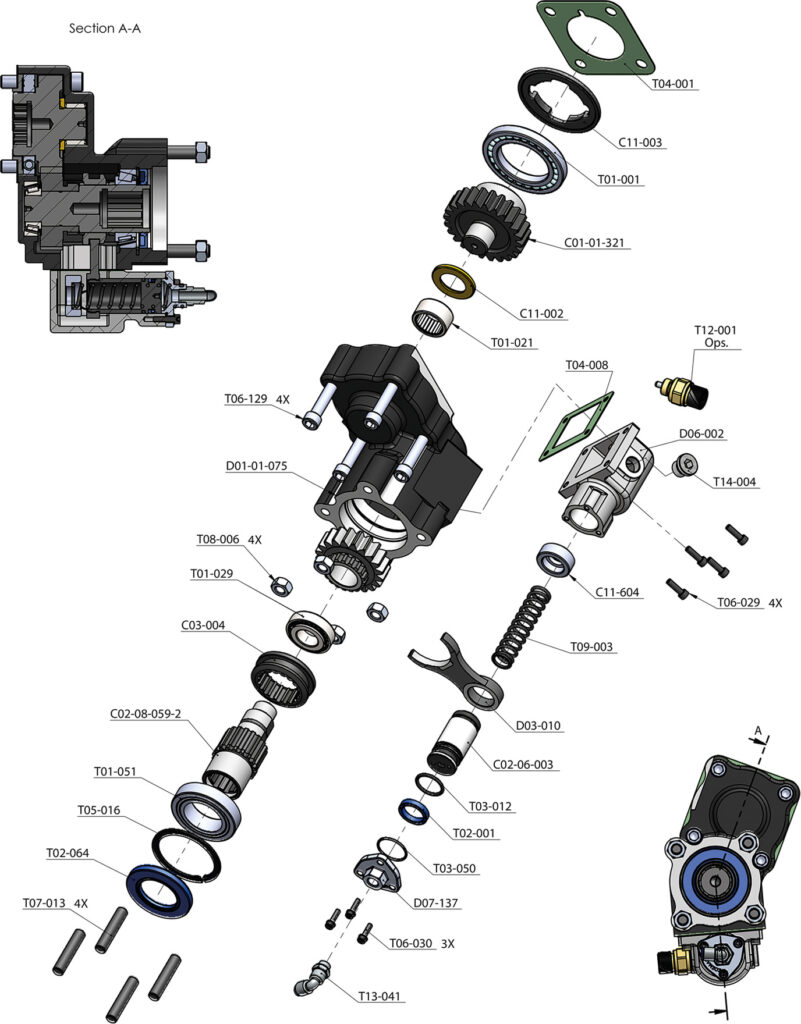
KMS PTO is designed and built to meet the rugged demands of the Mobile Equipment lndustry. Parameters Characterizing PTOs
On the Vehicle On the Work Bench
Performance
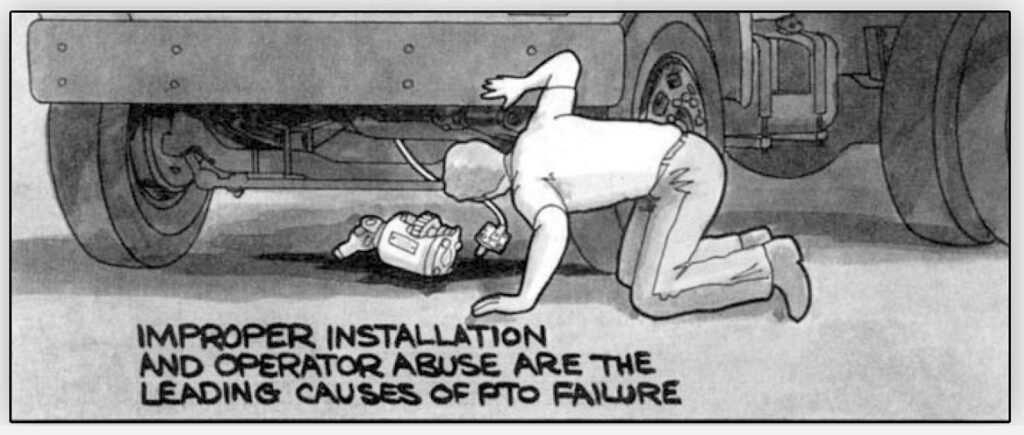
The first place to look when troubleshooting a PTO failure is in the application itself. Repeated or premature failure may be a sign of an incorrect application.
lf the PTO was correctly specified and then failed prematurely, there are two likely causes:
1. lmproper installation and/or operator misuse.
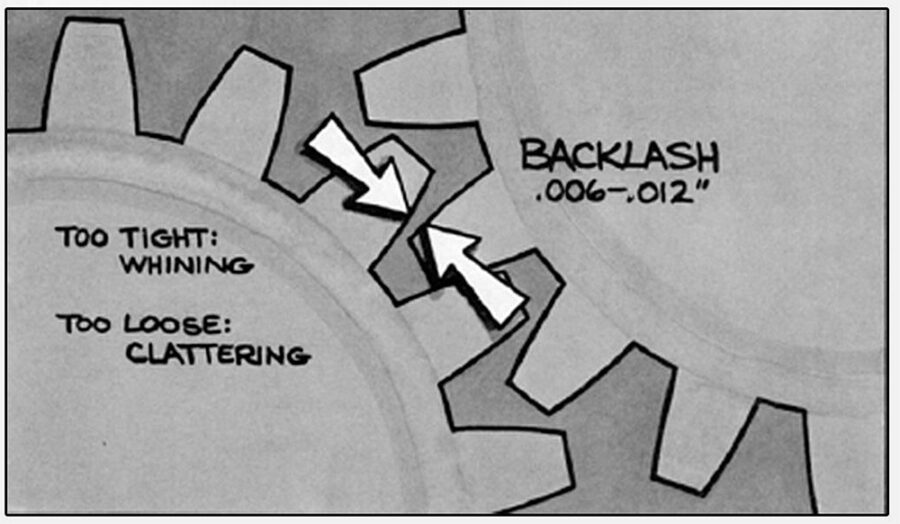
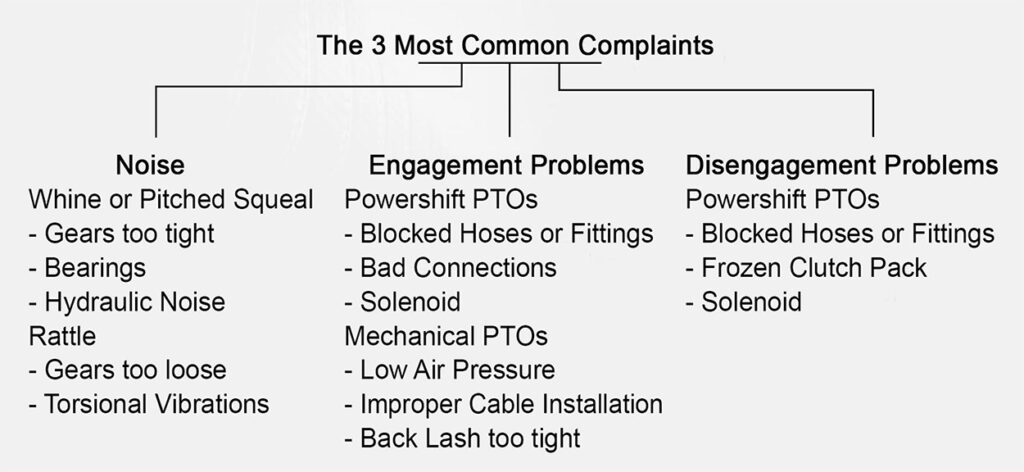
2. An improperly installed PTO can normally be identified immediately by the sound (Noise) it makes.
• It will “Whine” ,”Clatter”, “Click” or “Grind”.
• Sometimes, the vehicle itself may contribute enough noise to mask the sound of the PTO and one may not notice the problem
lf a problem is allowed to continue, then damage to the PTO will result.
•Whine •Clatter
•Clicking •Grinding
Noise Types
Possible Locations
•Stud Threads •Seals
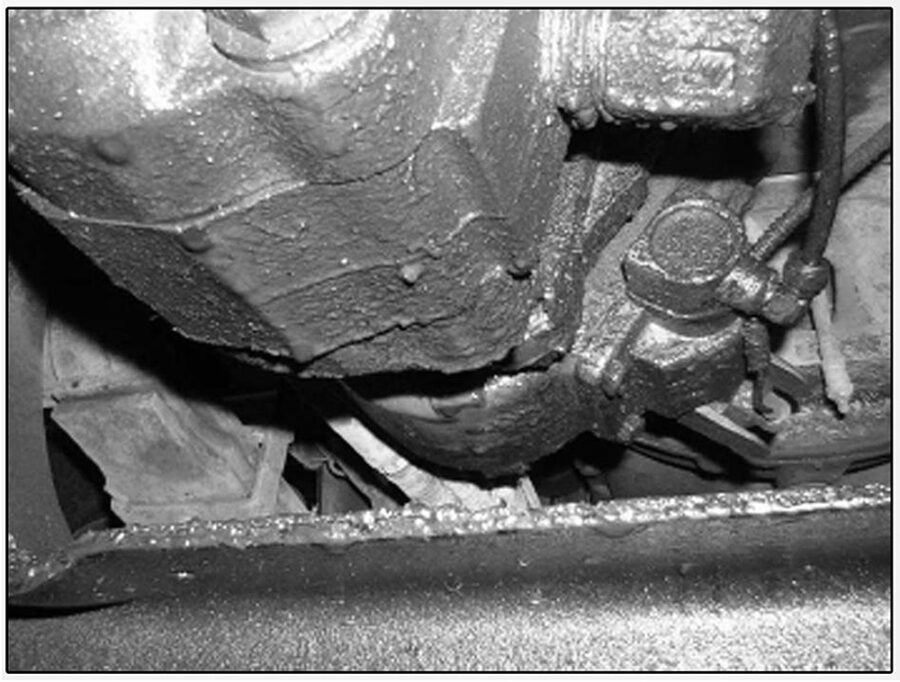
Leaks
Root Cause of the Leakage
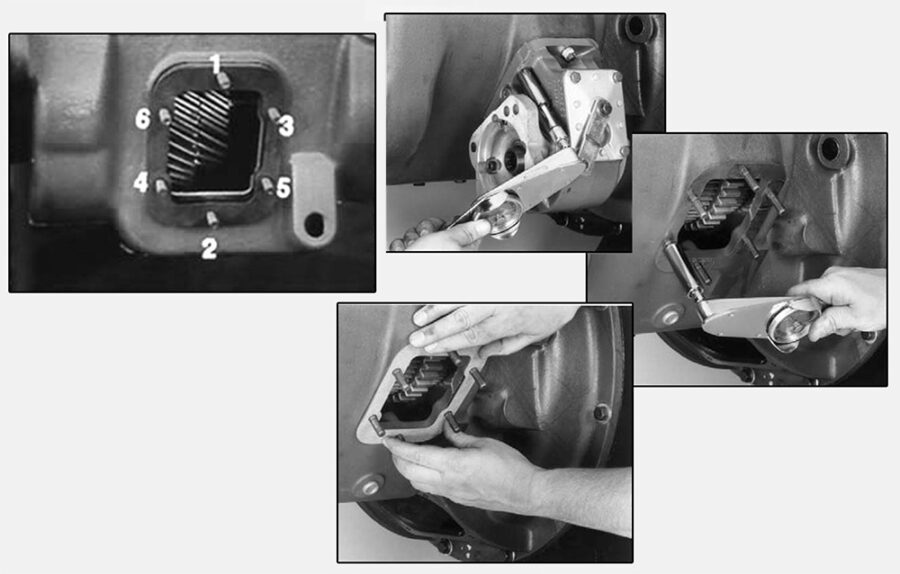
•lmproper Torque of Fasteners •lmproper Stud lnstallation •Gasket Installation
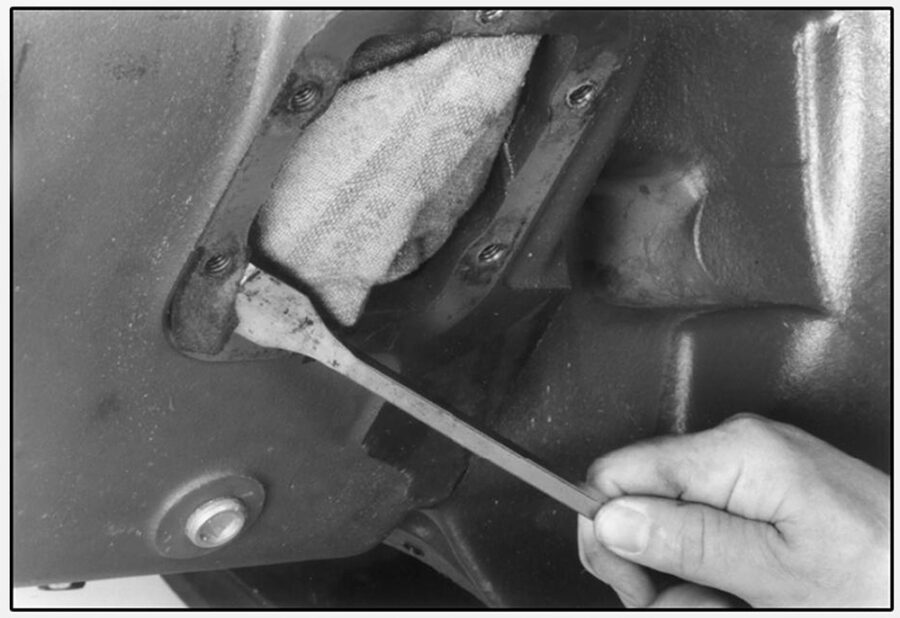
• Transmission Preparation • Worn Seals
Performance
Symptoms & Causes
• Hydraulic System
• PTO Operation – Erratic Operation – Hard Shifting – Jumping out of Gear
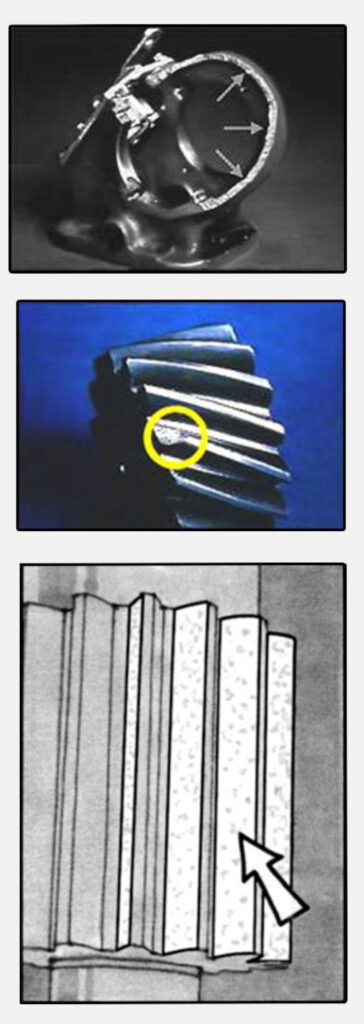
One of the most serious problems a PTO can suffer is a cracked case. This condition can lead to oil loss and eventual transmission failure.
Some causes are: • lmproper installation • Poorly torqued bolts • Unsupported direct mount pump • Foreign objects meshing between the gear teeth • Severe shock load • Hitting an obstacle in the road.
Gear Damage
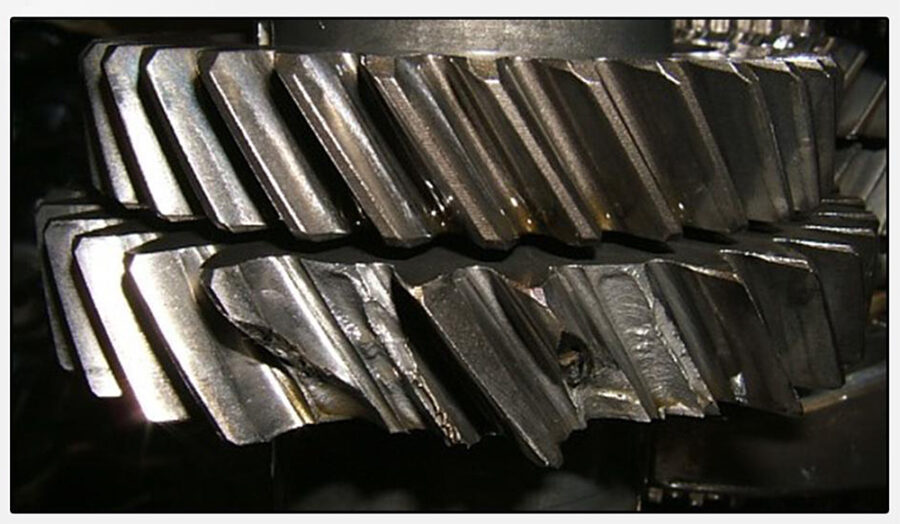
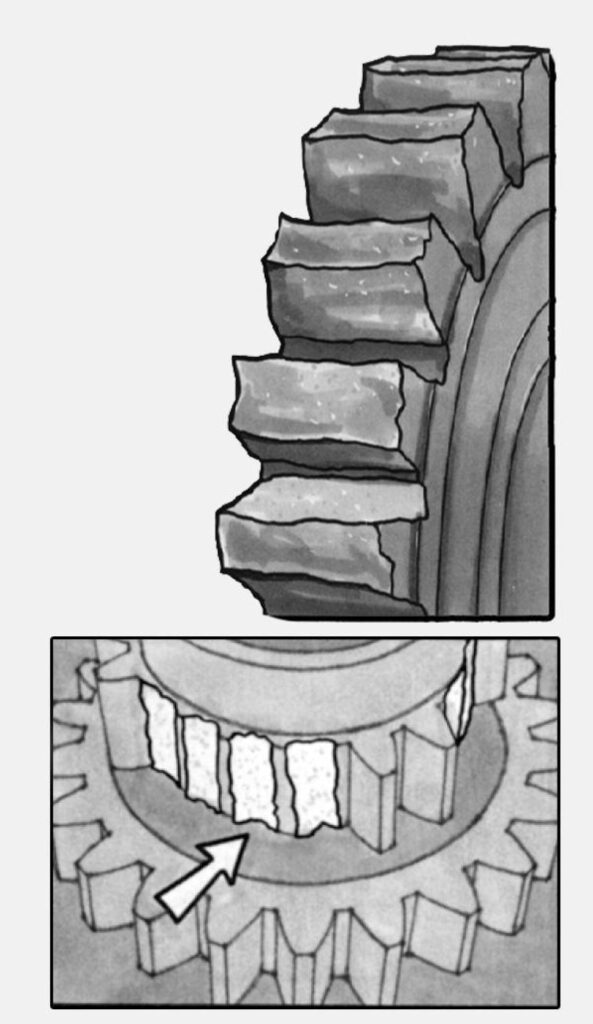
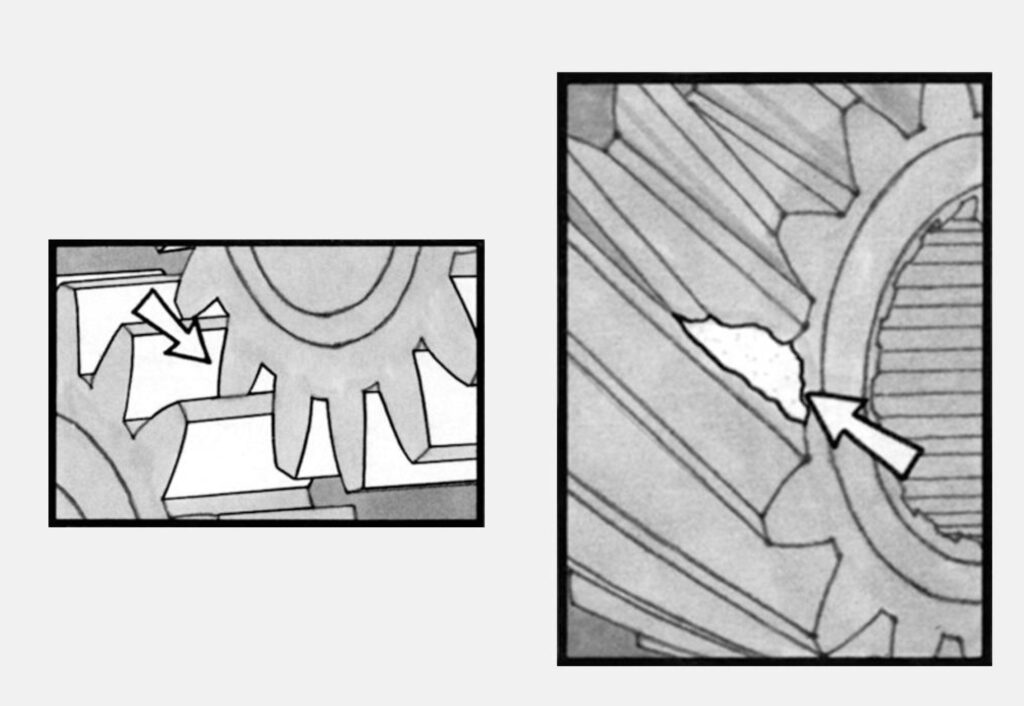
• Tooth • Spline • The first parts to inspect should be the gears. Check the surface of the gear teeth for signs of pitting. • Once pitting of the gear surfaces has begun, there is nothing that can stop it.
Another possible problem during vehicle operation is “shock load”. • Deep Mesh Pattern Caused by lmproper Backlash Adjustment. Worn gears can easily be affected by “shock load”. lf the worn gears are not replaced, they can eventually lead to broken gear teeth.
Sometimes a gear will chip a tooth because of mishandling or improper shifting.
Undershifting allows incomplete gear tooth contact with the driver gear. This means only part of the tooth width is transmitting the torque and RPM during PTO operation.
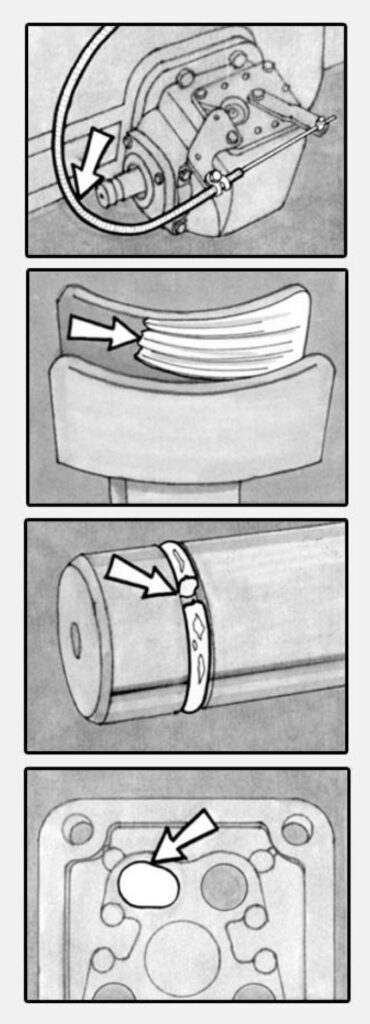
PTO shafts are also vulnerable to operating abuse.
• Torsional overload • Bending fatigue failure
When inspecting a PTO output shaft, always inspect the keyway.
Shifting Problems
• PTO is hard to shift.
• Most shifting complaints are caused by improper shifting procedure or incorrect linkage installation.
• Shifting problems can also be caused by a worn or elongated shifter poppet hole.
• Seals and O-Rings may cause special problems in PTO operations. Remember, a lever-operated shift linkage should not be connected to a wire shift cover. The mechanical advantage of the lever is eften too great for the wire shift cover and could severely damage it. Also inversely, don’t use a cable with a lever shift cover. The cable isn’t capable of transmitting the force necessary to shift a lever mechanism.
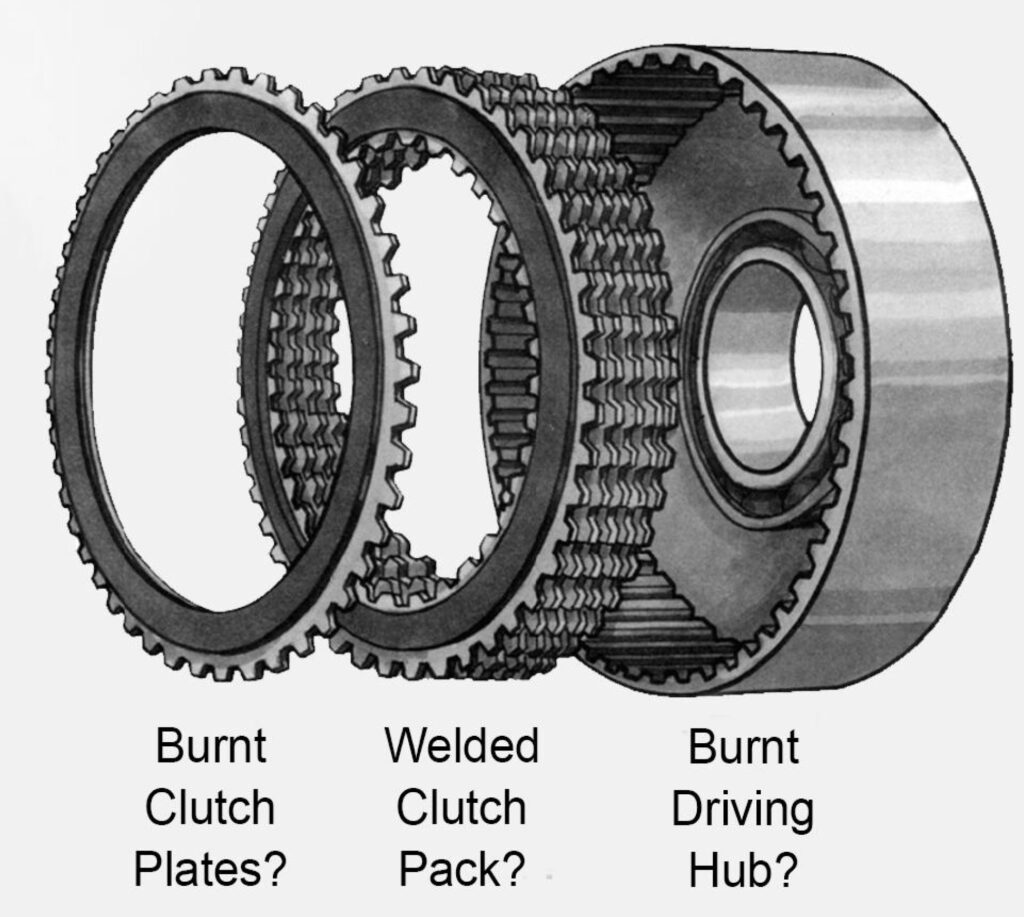
Remember, when troubleshooting any clutch-operated PTO carefully inspect all components tor wear or damage. Burnt clutch plates, welded clutch pack, or a burnt driving hub are three easily identifiable conditions that lend themselves to failure analysis.
A sure sign of potential trouble with a clutch operated PTO is erratic operation.